
Revolutionizing the way movement is recorded and applied across a range of applications.
Motion capture is commonly known in the entertainment industry in films, episodic TV, games and live events, helping create realistic animations and bring characters to life. Furthermore, mocap plays a critical role in sports – offering performance analysis and injury prevention through precise biomechanical tracking. With the birth of mocap stemming from use cases such as clinical gait analysis and diagnostic assessments, it has also evolved into emerging use cases outside of just Life Sciences and Entertainment into Engineering applications such as military training simulations, ergonomic research, and robotics.
How does this translate in real-world applications? In the entertainment industry, Vicon motion capture technology animates digital characters with lifelike fluidity and natural movement, powering productions at leading studios like Framestore, DNEG, Industrial Light & Magic (ILM), and game developers such as Electronic Arts (EA) and Ubisoft. In sports science and research, institutions including the English Institute of Sport, PING (through its Performance Research Centre), Loughborough University, and Houston Methodist leverage Vicon for in-depth performance analysis, injury prevention, and training optimization. Extending to engineering and robotics, organizations like the Satellite Applications Catapult and Toyota Research Institute depend on Vicon’s precise tracking for robot validation, autonomous systems, and digital twin creation. Across these diverse fields, Vicon motion capture seamlessly connects the physical and digital realms with superior precision and reliability.
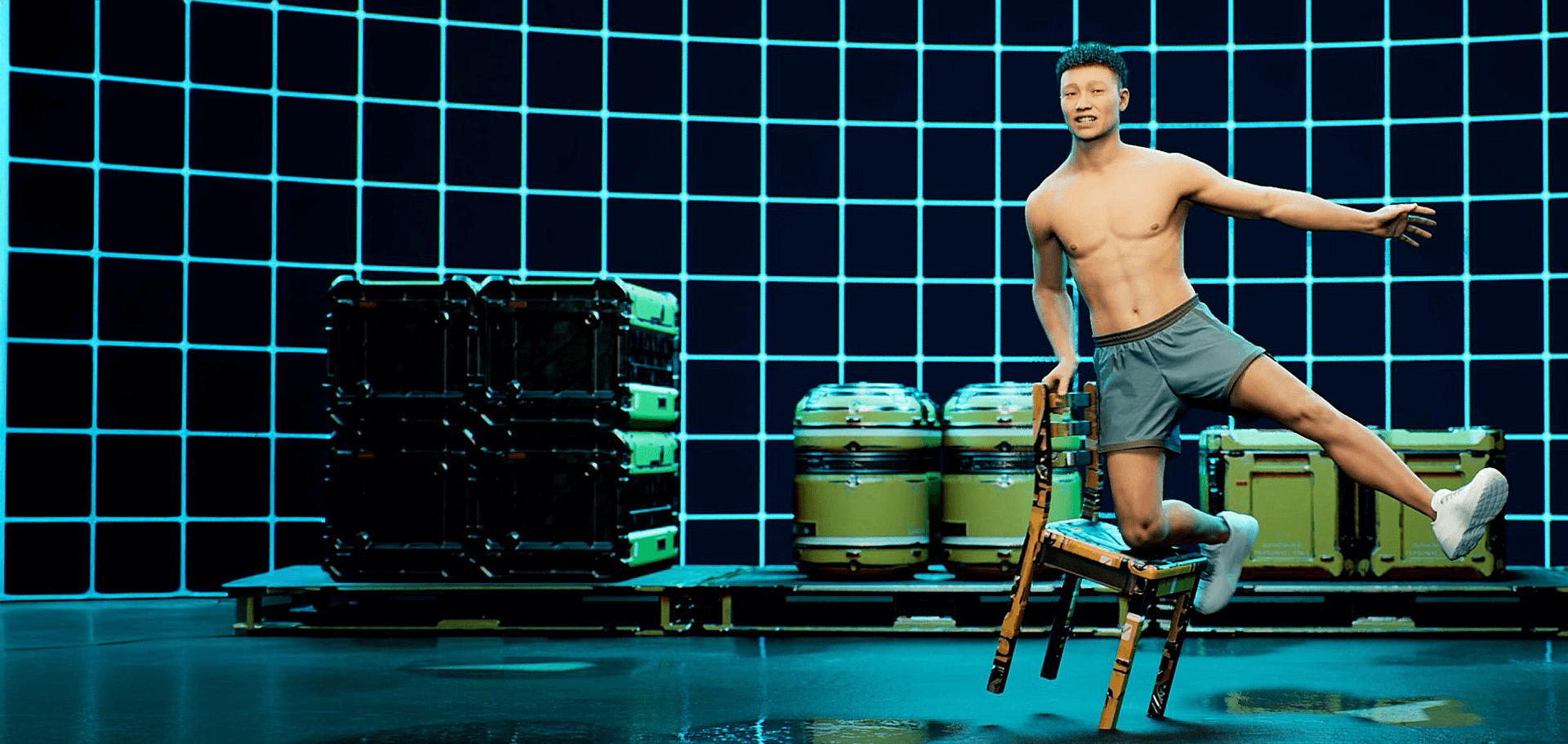
How Motion Capture Developed
Motion capture traces back to the 1870s, when sequential photography enabled frame-by-frame analysis of movement. In the 1960s–70s, mechanical and magnetic systems recorded joint angles in labs, laying the groundwork for advanced tracking. The 1980s introduced optical, marker-based mocap, revolutionising biomechanics and forming the foundation of modern visual effects.
Vicon played a central role in this evolution. Its first product was launched in 1979 at Oxford Dynamics, evolving from 2D bi-planar measurement to full 3D kinematics. By 1984, Vicon became an independent company within Oxford Metrics, developing high-precision optical systems for biomechanics, entertainment, engineering, and VR. Through the 1990s–2000s, faster cameras and advanced software enabled real-time capture for film, labs, and engineering. Today, optical and markerless mocap is widely accessible, with Vicon used by Epic Games, NASA, ILM, Bosch, ASICS, and leading universities worldwide.
-
1870's
Sequential photography enabled frame-by-frame analysis of movement
-
1960s-1970s
Mechanical and magnetic systems recorded joint angles – laying the groundwork for advanced tracking.
Even though Vicon officially began trading in 1984, the original Vicon product was first introduced to market five years earlier in 1979. The system was manufactured by a subsidiary of Oxford Instruments, called Oxford Medical Systems (later Oxford Dynamics). Following a management buyout in 1984, Oxford Dynamics became Oxford Metrics and the 40 year history of Vicon began.
-
1980-89
Optical, marker-based mocap was introduced.
In the ’80s, the early adopters such as University of Strathclyde, University of Western Australia, Saitama Rehabilitation Center in Japan, and the University of West Virginia, began testing the limits of the early Vicon systems. Much of their initial research led to the development of a standardized process of motion capture for clinical gait analysis.
-
1990-99
As interest in motion capture grew, new markets began emerging, most notably was the rapid development of the entertainment industry. During this decade, Vicon customers created ground-breaking VFX for Titanic in 1995, and mocapped the legendary Michael Jackson in 1996. In response to this demand, Vicon launched the first motion capture system dedicated to the entertainment market – the 370E.
-
2000-09
This decade can be defined in two words – innovation and growth. Not only at Vicon, but the motion capture industry itself. Over this period, the Vicon customer base grew from under 1000 at the beginning of the decade, to 3500 by 2009. Some notable highlights during this time include:
- In 2003, Sony Pictures Imageworks was the first studio to use over 200 Vicon cameras for Monster House.
- Vicon launched the industry’s first 4 megapixel camera in 2004 and the first 16 megapixel camera in 2008. The T160 remained the world’s only 16MP motion capture camera until replaced in 2015 by the Vantage V16
- In 2009, the Bonita line of cameras made affordable, high-quality motion capture accessible to everyone, and was Vicon’s fastest selling camera.
-
2010-16
The past six years were incredible – we launched the first ever reference video camera for motion capture, our industry renowned real-time software, Blade 2, and our award-winning head mounted 3D facial capture and tracking system, Cara. 2015 saw Vantage being launched to replace the T-series followed by in 2016, Vero a small but powerful replacement for Bonita which took the market by storm.
-
2017-19
In 2017 Vicon purchased IMeasureU, establishing itself at the forefront of inertial motion analysis.
Shōgun, Vicon’s VFX software platform, officially launched in 2017, supporting a period of rapid change in the field. Innovation in film and TV has been accompanied by the growth of location-based VR, with Evoke being born in 2018 enabling Vicon customers to build everything from games to training simulations.
In 2018 Stanford Hall opened, giving British soldiers access to one of the most advanced rehab facilities in the world, driven by insight from Vicon technology.
-
2020-21
Over the last half-decade Vicon technology for the life sciences has simultaneously powered new developments at elite institutions and, thanks in large part to IMeasureU, democratized motion analysis at the grassroots level. In 2021 the bar was raised for sports science when Nike’s LeBron James Center opened, housing the world’s largest motion-capture installation with 400 Vicon cameras.
Virtual Production transformed the VFX sector, and The Mandalorian set the bar with its combination of Vicon motion capture, Unreal Engine and an immersive LED stage to create ground-breaking in-camera effects.
The Vicon family expanded again in 2021 when it was joined by Contemplas, a world leader in markerless motion capture.
-
2022
In 2022 Vicon unveiled Valkyrie, the most advanced motion capture camera in the world. Valkyrie will unlock new insights, applications, and possibilities in the fields of the life sciences, virtual production, engineering, and virtual reality, setting the stage for a new era of motion analysis.
-
2024
Vicon introduced Vicon Markerless for Entertainment, unlocking a new era of flexible, marker-free performance capture for film, games, and immersive media.
Prev
Next
Types of Motion Capture
Motion capture falls into four main types:
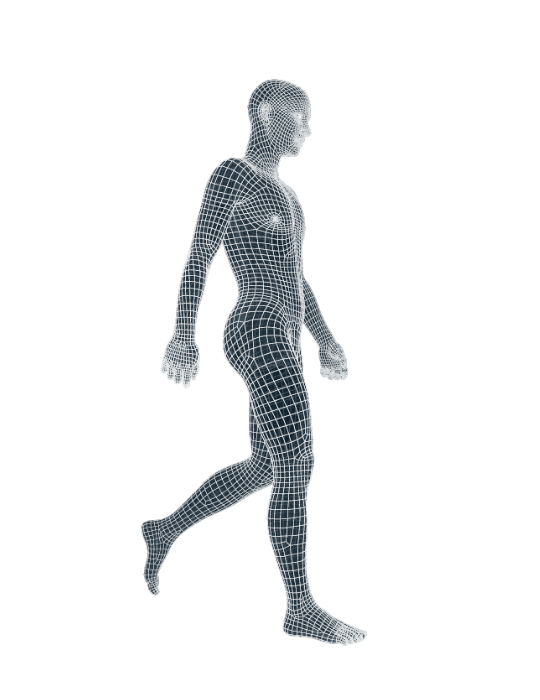
Passive Optical: Performers or subjects wear suits equipped with reflective markers tracked by infrared cameras, offering high precision for film, games, and research.
Active Optical: Similar to passive optical, however, markers emit their own light, enabling individual marker identification and robust tracking in complex environments.
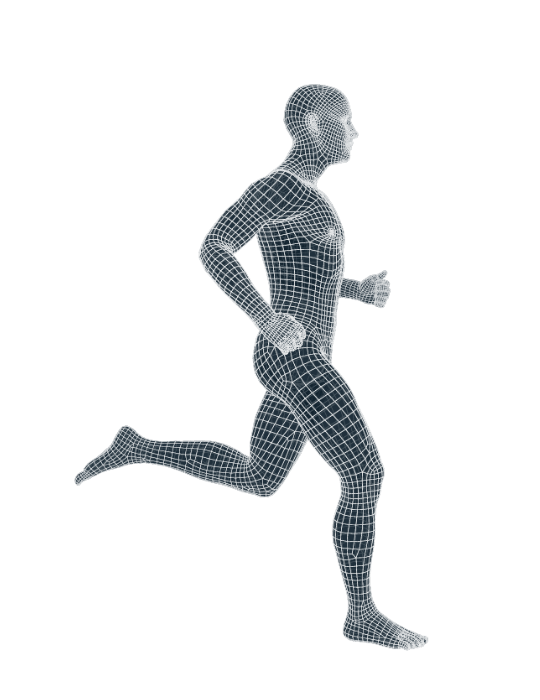
Inertial: Wearable sensors track motion without cameras, ideal for large spaces or outdoor shoots.
Markerless: Uses AI and computer vision to detect joints and body landmarks from video, offering fast setup and growing accuracy.
How Motion Capture Works
Optical Passive and Active Systems: Cameras track reflective or LED markers placed on the performer. Passive markers reflect infrared light emitted by cameras; active markers emit their own light. Cameras record 2D positions, triangulated into 3D coordinates. Software labels markers, fits a digital skeleton, and calculates joint angles, producing motion data for animation, VR, or scientific analysis.
Markerless Systems: Multiple cameras capture the performer without markers. AI algorithms detect key anatomical points (joints, limbs) and estimate 3D poses from video. The system reconstructs a skeleton, smooths motion over time, and outputs data for animation, sports analysis, or virtual production.
1. Set Up the System
Position cameras and prepare the capture space and performers or subjects.
2. Calibrate the System
Align cameras so the system knows where everything is in 3D space.
3. Calibrate the performer(s)
Record a pose so the digital skeleton matches the person.
4. Capture the motion
Record the performance, moves or activity.
5. Clean the data
Fix gaps, noise, or tracking errors.
6. Export the motion
Deliver the final motion files for animation or analysis
Hardware and Software in Motion Capture
Motion capture systems are built with two integrated components: Hardware (that captures the motion), and Software (which interprets and processes it).
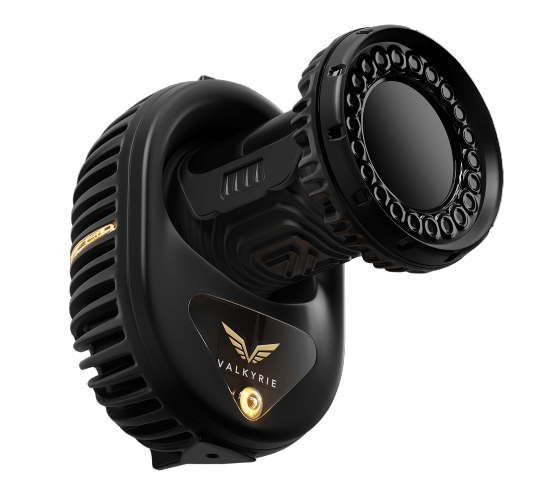
Cameras (Hardware):
Infrared cameras for optical mocap; RGB or depth cameras for markerless systems. Calibration tools define capture volume; synchronisation units keep cameras in sync.
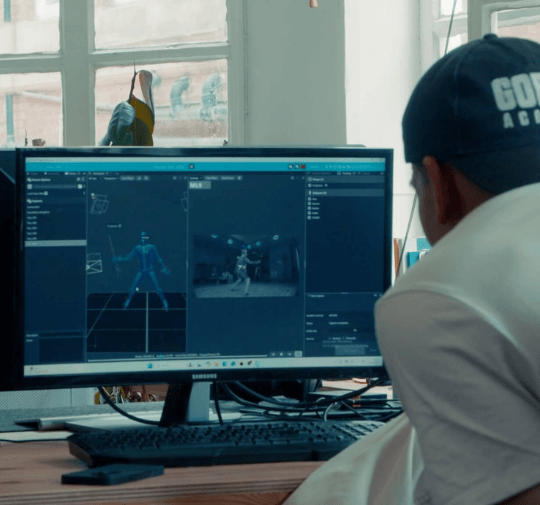
Software:
Processes camera data, reconstructs 3D points, labels markers or landmarks, filters noise, solves skeletons, and retargets data. Integration tools enable real-time previews, animation pipelines, and export for research or production.
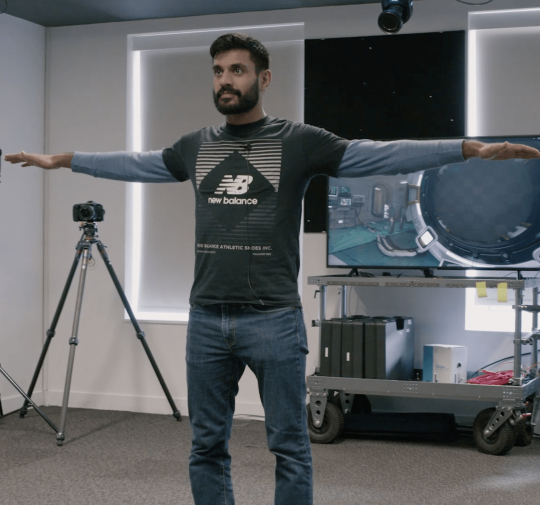
Markers:
Reflective (passive) or LED (active) markers provide reference points. Markerless systems rely on AI to detect body landmarks from video.
Integrations:
Vicon Systems integrate with a number of different applications to help your processes run smoothly
Motion Capture in Life Sciences
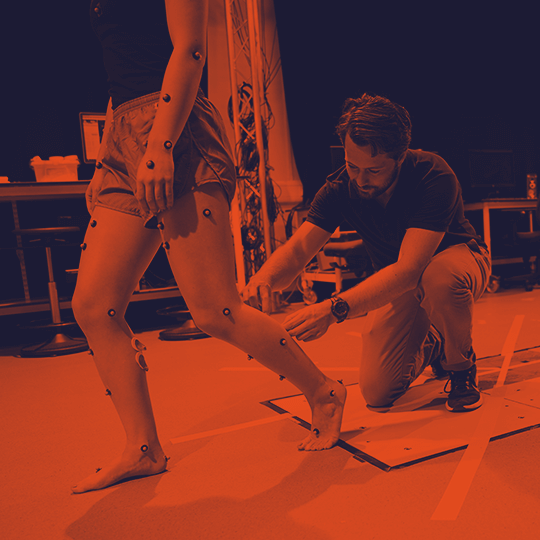
Motion capture in Life Sciences involves turning movement into measurable data that assists scientists, clinicians, and industry professionals understand, diagnose, treat, and improve human function – often with a strong focus on precision, biomechanics, and clinical insight. Examples of motion capture in Life Sciences include:
-
- Clinical gait analysis
- Rehabilitation
- Biomechanics & human movement science
- Sports injury & prevention
- Ergonomics & occupational health
- Neuroscience & motor control
- Analysis of animal movement
- Prosthetics & orthotics development
Clinicians and researchers need to measure gait, posture and athletic technique with lab‑grade accuracy. With Vicon, you get the complete system – Motion Capture cameras to capture the movement, and Software to translate the data. For example, Vicon Nexus and Nexus Insight for capture and reporting, plus Polygon and ProCalc for modelling, teams combine optical data with force plates, EMG and video to create metrics for diagnosis and sports performance that are reliable and repeatable. Find out how the Saucony Human Performance and Innovation Lab used the Vicon motion capture system to improve athlete performance and shoe development.
Motion Capture in Entertainment
Motion capture helps turn human performance into digital storytelling, creating lifelike, emotionally real characters across film, tv, games, live events, and immersive experiences. Examples of motion capture within entertainment include:
-
- Performance capture for film and television
- Realistic and responsive gameplay creation
- Character animation
- Digital human creation
- Virtual production
- VTubing
- Immersive experiences
- Crowd simulation
Vicon captures expressive performances and complex action with live feedback. Software like Vicon Shōgun solves and retargets to game and virtual production engines, (such as Unreal and Unity) in real time, while Vicon Markerless keeps actors in wardrobe for fast pre-vis and rehearsal. The same pipeline supports virtual production, VFX and game motion capture. Vicon’s systems have been used by Epic Games, ILM and even in Snoop Dogg and Larry David’s music video for “Crip Ya Enthusiasm”.

Motion Capture in Engineering
Engineering applications involve measuring real-world motion and turning it into actionable insight such as improving design, safety, or system performance. Examples of this include:
-
- Robotics & human-robot interaction
- Digital human modeling & simulation
- Product design & usability
- Manufacturing & industrial engineering
- Structural testing & validation
- Aerospace defense engineering
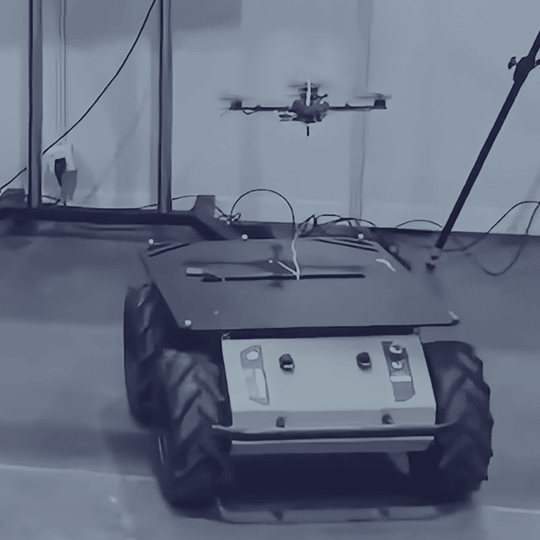
Designers and researchers assess ergonomics, human–machine interaction and product behaviour, and test robots and drones with real‑time ground truth. Using Tracker with Valkyrie or Vantage cameras, teams track tools and vehicles in 6DoF at low latency, integrating with ROS, MATLAB/Simulink or Unity for control, simulation and closed‑loop testing. Read how the University of Hawaii uses Vicon motion capture technology to simulate zero-gravity environments for astronaut training and robotics research.
What is the difference between Vicon and other motion capture providers?
Research and development
There’s a difference between a company that builds and a company that creates. For us, that difference is innovation, and it is at the core of everything we do. Our development team has been awarded research funding by the UK government for the development of innovative motion capture technologies, which will ultimately help put our customers one step ahead of the rest.
System precision
Precision engineering is what we do. From custom built sensors with electronic freeze frame shutters, high sensitivity pixels, synchronized reference video, and calibration devices, every part of a Vicon system is designed to give you the most precise data possible. Learn more HERE.
Easy to set up
Ten years ago, learning to use any motion capture system could take more than two weeks of training. Now, a Vicon Support Engineer will have you up and running in a day. From calibration to data capture, our software takes you through a simple step-by-step process to get you the highest quality data.
Part of an experienced world-wide community
Vicon systems are in widespread use all over the world. This community has thrived, exchanging ideas and experiences for many years. Partnering with Vicon will ensure new members immediately benefit from a broad existing knowledge base.
World class support
We believe our support engineers should have an intimate knowledge of the science, not just the technology. That’s why our industry leading customer support team consists of application specialists, including several PhDs.
Certified Medical Devices
Vicon develops and manufactures the world’s only passive optical motion capture systems that are classed as Medical Devices, as certified by a notified body under ISO 13485. Vicon is also ISO 9001 compliant, indicating the adherence to strict procedures and guidelines, producing CE marked products, along with a Declaration of Conformity, that confirms the standards of the Medical Devices Directive are fulfilled.