Markerless Motion Capture for Life Sciences
Shorter sessions mean greater throughput, giving you data you can quantify.

Built for life sciences researchers and educators across biomechanics, gait analysis, sports science, and movement research, Nexus Markerless helps specialists get the data they need faster and more efficiently.
It’s designed for teams who need to move quickly without sacrificing rigor, run more participants through the lab, capture subjects who can’t be easily marked, and get results in real time rather than waiting on post-processing.
And because optical and markerless capture run simultaneously in a single session within the Nexus ecosystem, you can validate and compare both outputs directly. No black-box outputs. No separate workflow. Just data you can see, check, and defend.
Walking and running assessments are among the most repeated protocols in any movement laboratory, and among the most sensitive to preparation time. Capturing gait without markers shortens each session and allows participants to walk in their own footwear and clothing, enabling them to move more naturally and confidently, leading to more accurate analysis of ‘real-life movement ‘.
Where a study design calls for larger groups, repeated measures over time, or data collection in settings where marker placement is impractical, a marker-free method broadens what can realistically be collected.
Athletes are captured in competition kit, performing the movement as they would perform it, with no markers to dislodge during dynamic or contact activity. Sessions fit more easily around a training schedule.

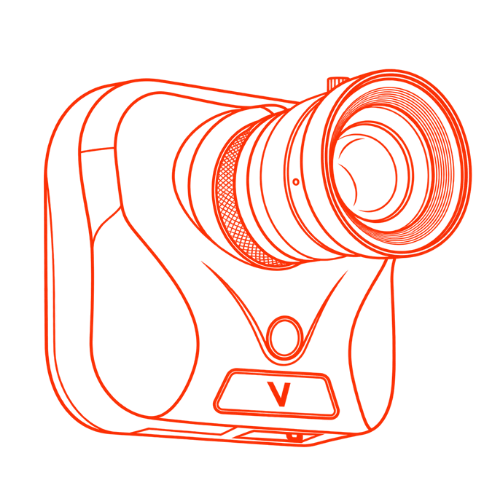
Purpose-built for machine-learning computer vision and compatible with supported Vicon optical systems. Vanguard records the video that markerless tracking uses, sharing calibration and timeline data with the optical cameras around it.
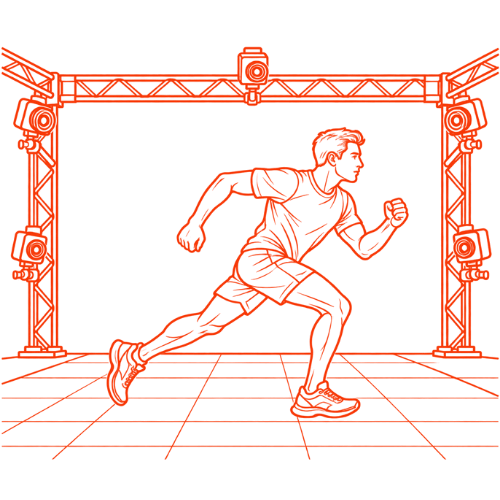
An add-on to Vicon Nexus, requiring Nexus 2.21 or later and a current Nexus license. Markerless trials are captured, processed, and reviewed in the same software as every other trial in the lab.
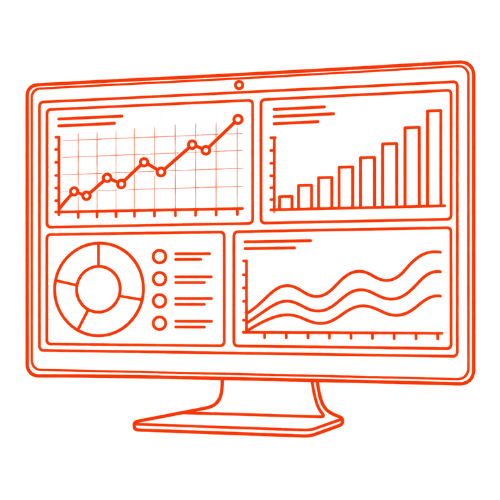
Force plates, EMG, instrumented treadmills, tracked objects, and marker-based optical capture are recorded on the same synchronized timeline. Markerless becomes another data source within a session rather than a separate collection to reconcile afterward.
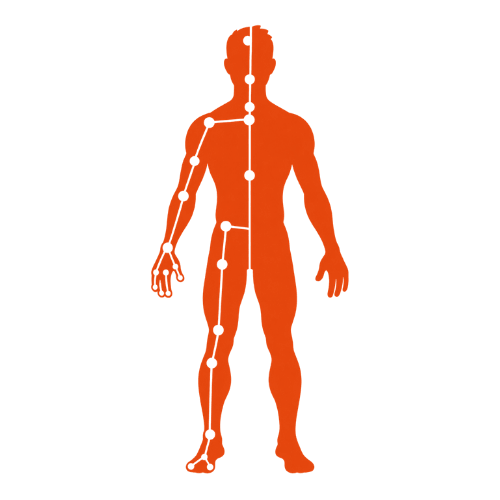
Optical capture is still the reference standard for landmark-dependent measurements. Inertial sensors remain the practical choice outside the laboratory. Different questions, different methods.
The Nexus ecosystem means you don’t have to pick one in advance. Both record the same movement and the same participant, aligned to a timeline, so you can validate the relationship between them using your own data.
Trials are visualized as they are captured. A problem is found while the trial can still be repeated, rather than in post-processing once the participant has left. Where subject group size drives the study, a lost trial is a lost participant and catching it in the session is the difference between a complete dataset and a gap in the results.
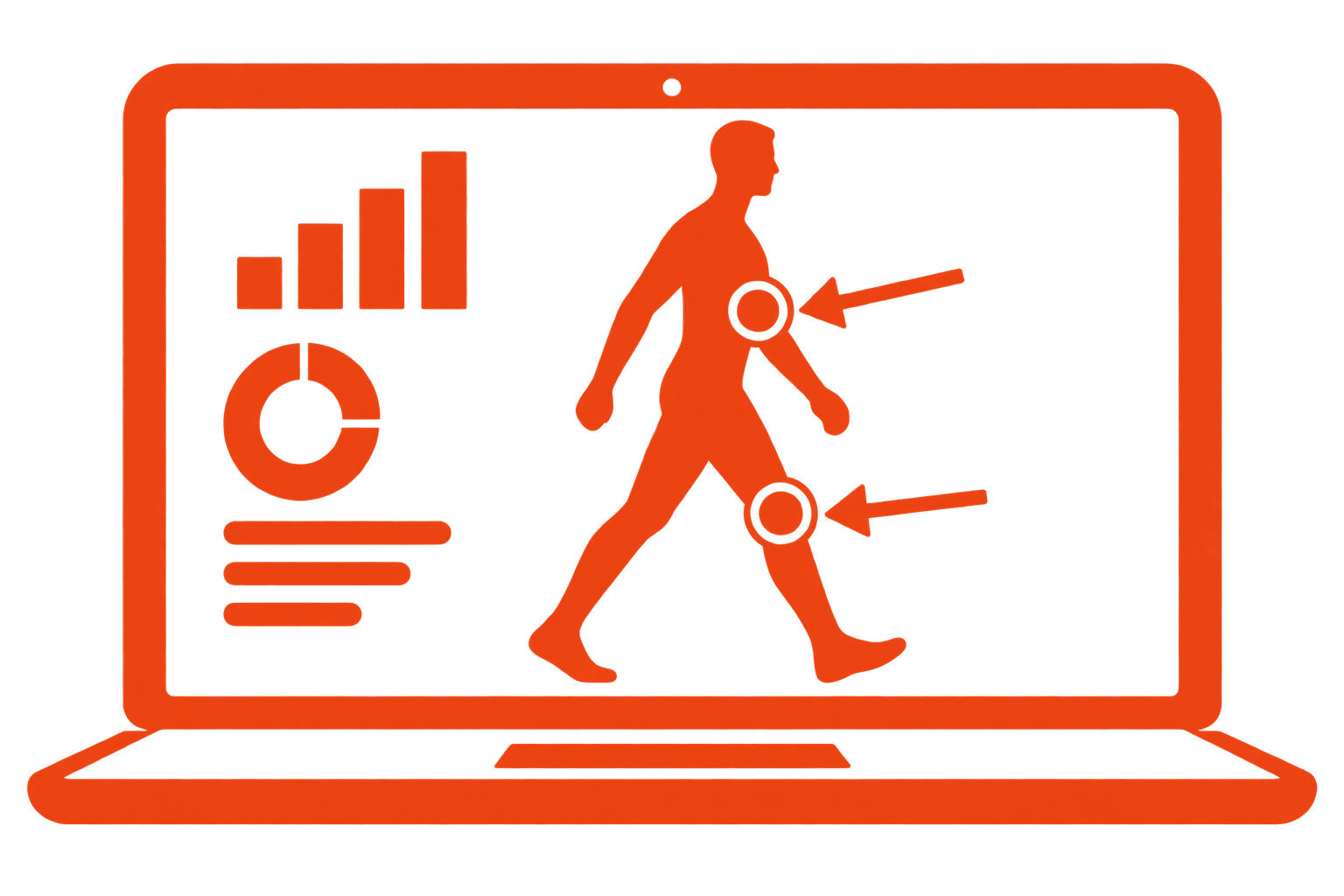
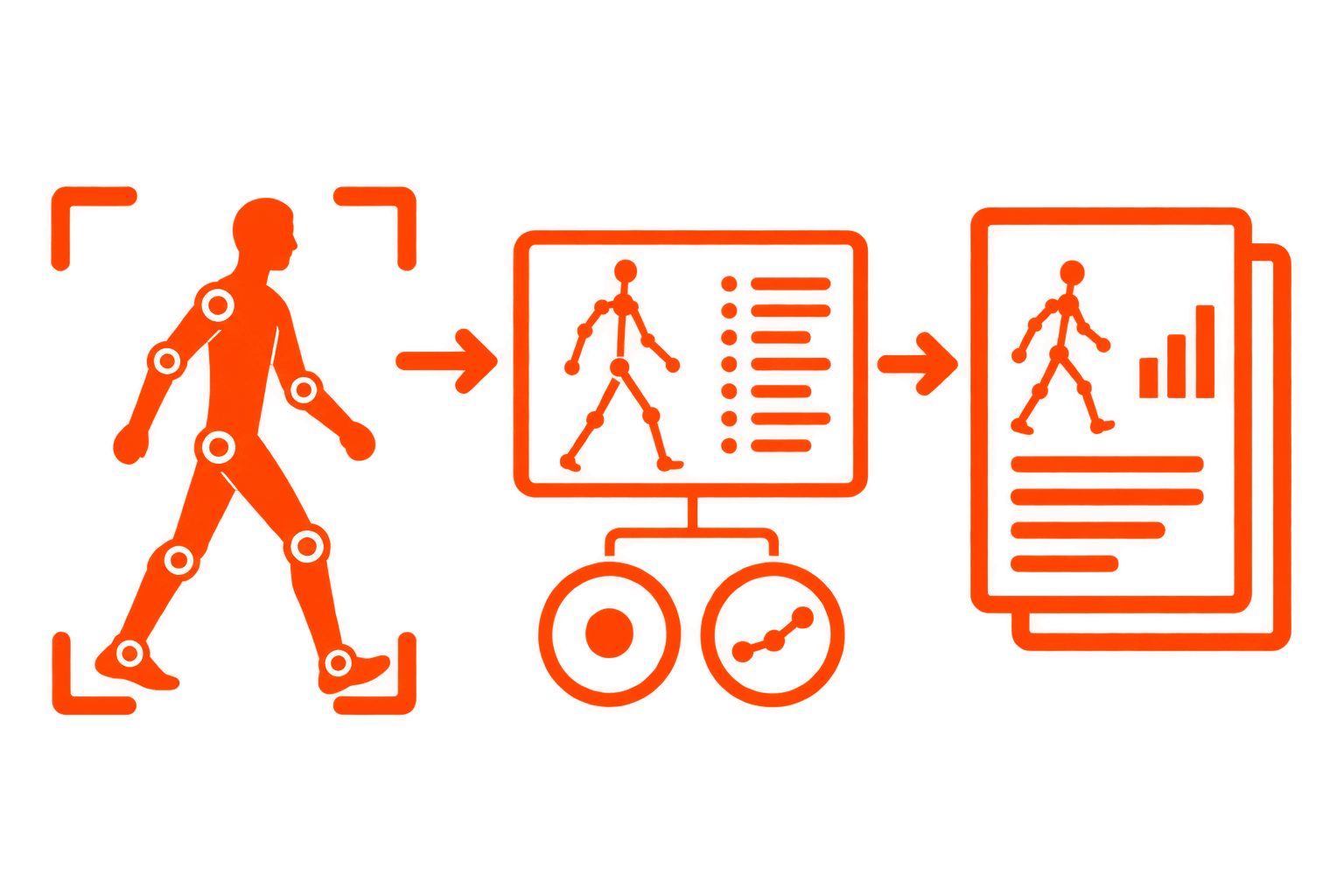
Nexus Markerless exposes the underlying keypoint data and allows it to be exported, so results can be interrogated and reproduced in a laboratory’s own analysis scripts rather than accepted from a processed output. Combined with marker-based data captured in the same trial, a method section has something to cite.
When the same measures need to be reported consistently across a cohort, that data carries through to Nexus Reports.
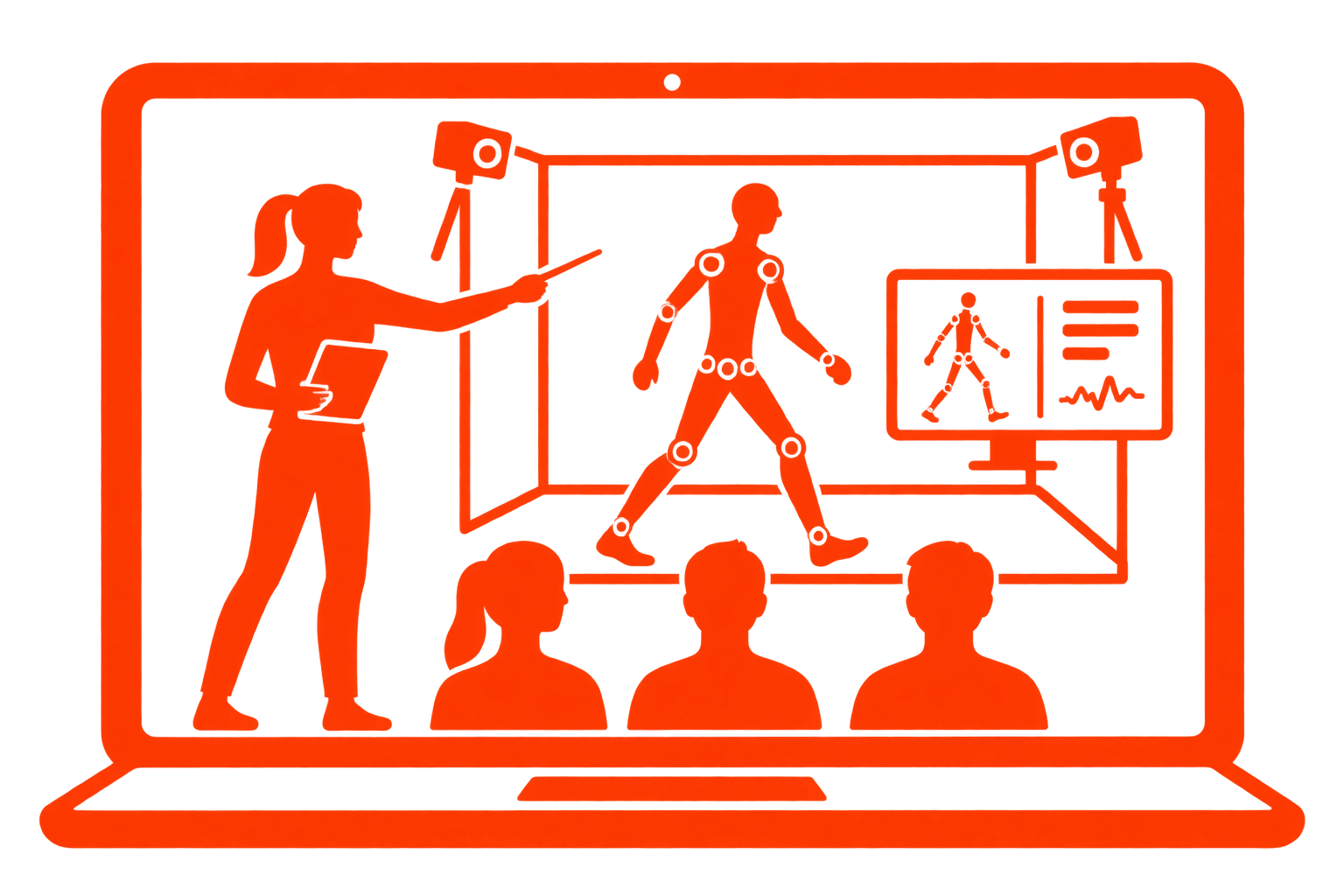
Removing marker placement removes most of the set-up time and most of the technical skill a session demands. A whole class can capture and interpret its own movement data during a timetabled session, making pilot work practical for departments without technician support. Students spend the session reading movement data rather than preparing to collect it.
Yes. Markerless capture records walking and running trials without markers placed on the participant, thereby shortening session preparation and allowing capture in the participant’s own footwear and clothing. Method selection should follow the requirements of the protocol and the measurements the study depends on.
Yes, and in the same trial rather than across separate collections. Both methods record simultaneously in Vicon Nexus against a shared timeline, so the two datasets describe the same movement by the same participant. There is no second visit to schedule, and no between-session variation to account for when comparing the outputs.
Yes. Nexus Markerless operates within Vicon Nexus, which captures analog devices, including force plates, on the same synchronized timeline as markerless and marker-based data, so kinetic and kinematic data are collected in one trial.
Yes. Removing marker placement eliminates most of the setup time and technical skill required for a marker-based session, making movement capture practical within a timetabled teaching session. Students spend the session interpreting movement data rather than preparing to collect it.