VIRTUAL PRODUCTION MOTION CAPTURE SYSTEMS
Virtual Production motion capture in film and TV





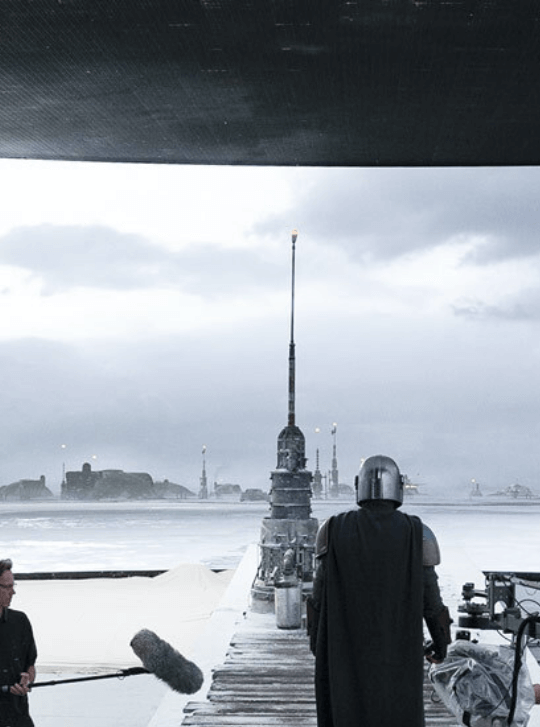
Virtual Production Motion Capture Case Study on ILM’s
The Mandalorian
At the heart of every Industrial Light & Magic (ILM) motion-tracking project over the past 25+ years lies a core technology that helps push the boundaries of VFX: Vicon motion-tracking systems. It’s no exaggeration to say that the collaboration between ILM and Vicon has helped redefine the extent of virtual production imagination.
One of Vicon’s most recent motion capture projects with ILM was for the hit Star Wars TV series: The Mandalorian. The Mandalorian virtual production was one of the most challenging and ambitious projects we have worked on to date.
Following the Emmy Award-winning season one, the latest season of The Mandalorian pushes the thrilling ride for fans to new heights thanks to ILM’s ground-breaking StageCraft technology, which combined with Vicon systems achieves a giant leap forward in motion tracking filming techniques.
Read the full case study here.
Virtual Production Motion Capture Capabilities
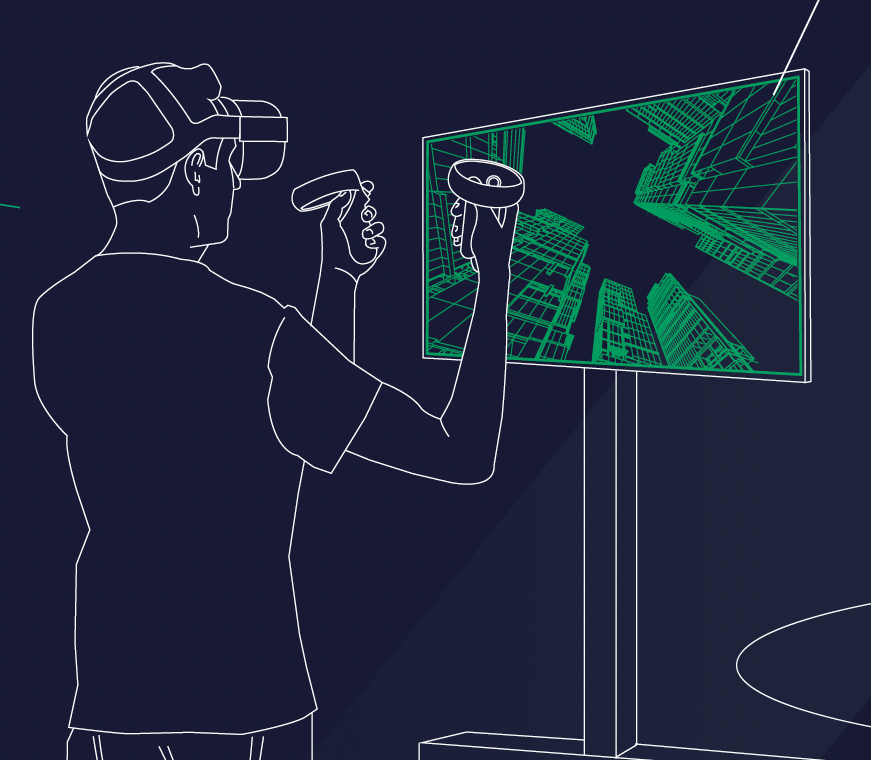
VR SCOUTING
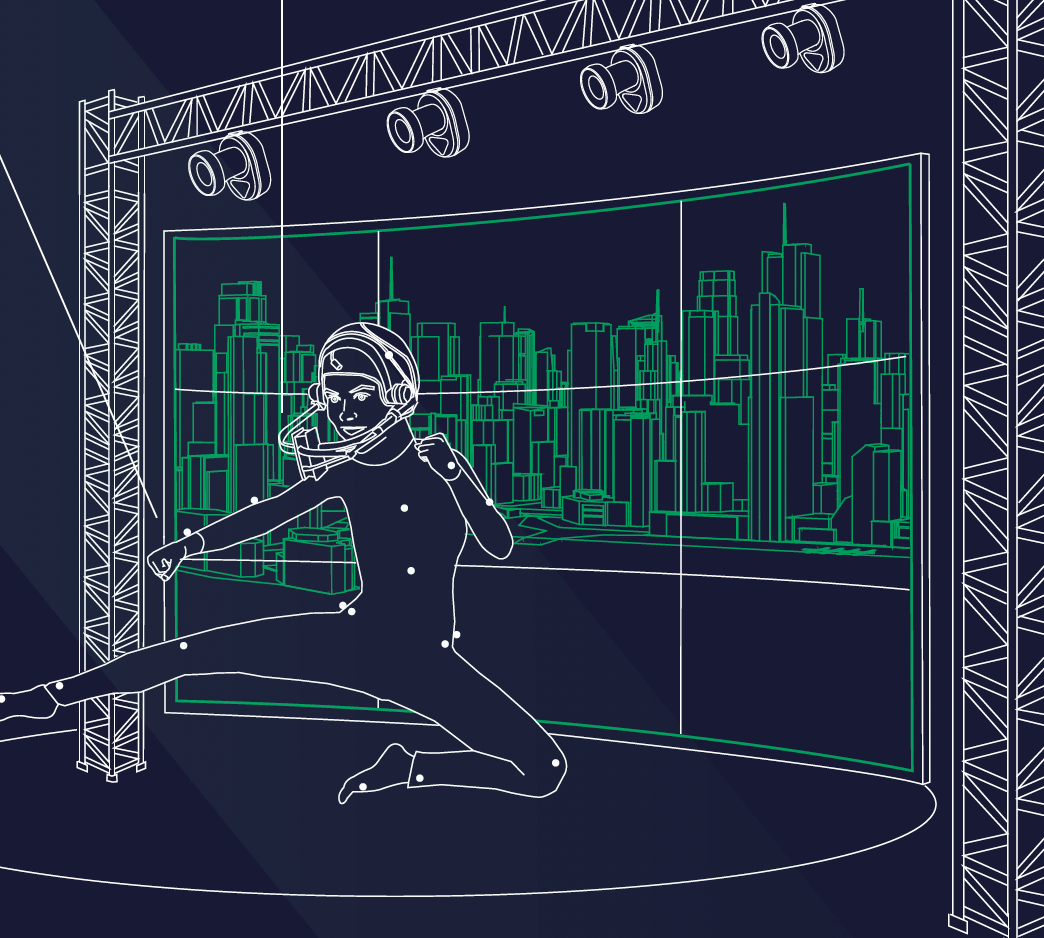
FULL BODY CAPTURE
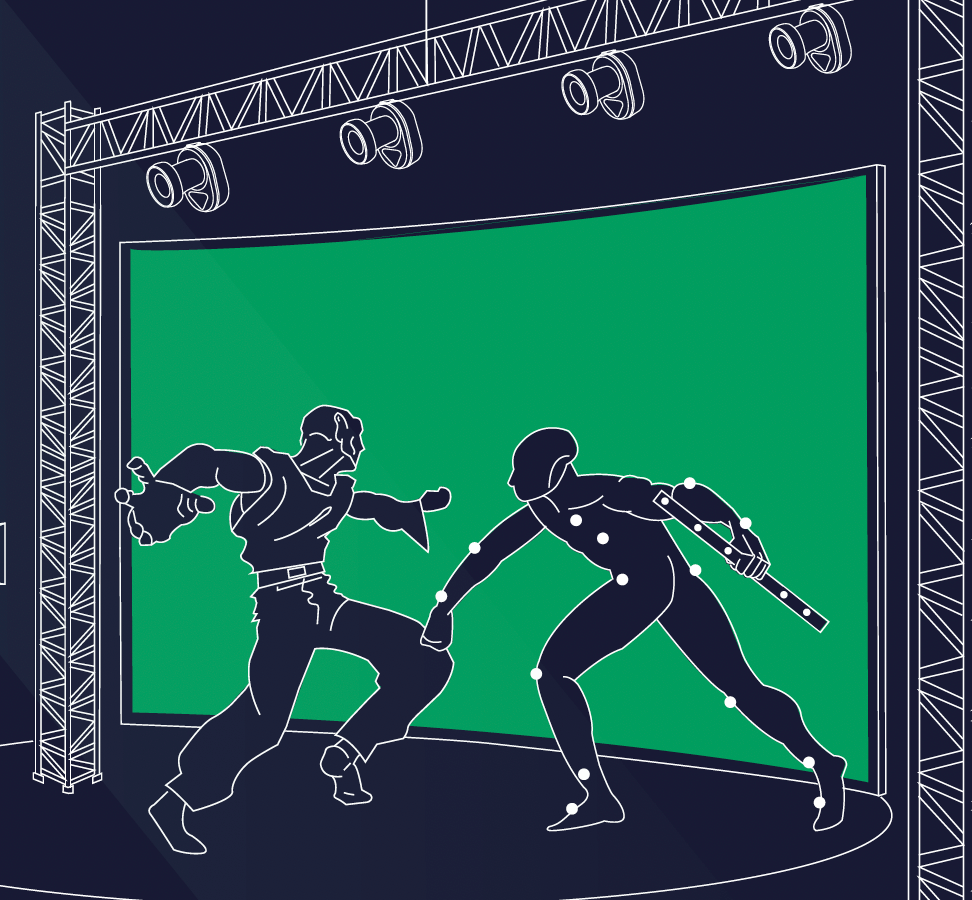
LED / GREEN SCREEN
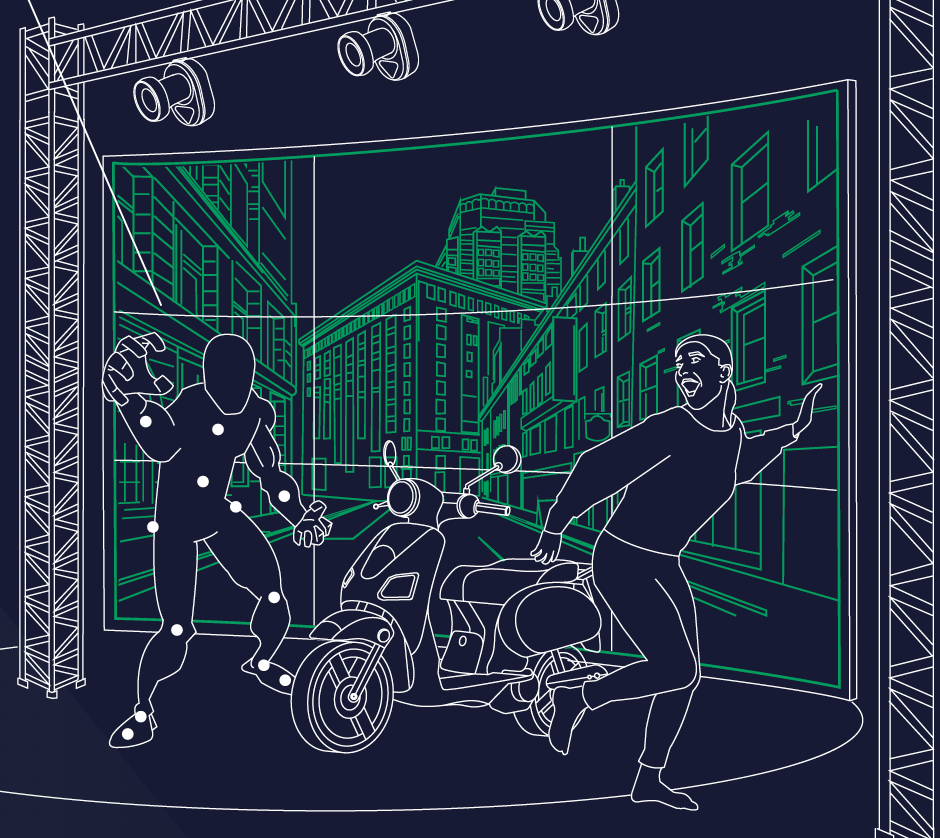
IN CAMERA VFX
Virtual Production Motion Capture Case Studies

DNEG
Bringing VFX to life in the physical world with virtual production.
FLINDERS UNIVERSITY
Using its capture stage to help TV and games makers adapt to the pandemic.
SILVER SPOON
How Mr Peanut entertained millions with real-time animation during the Super Bowl.
UW STOUT
UW-Stout is proving that it doesn’t need an elaborate system to capture the imaginations of students.
Virtual Production Motion Capture FAQ's
What is virtual production motion capture?
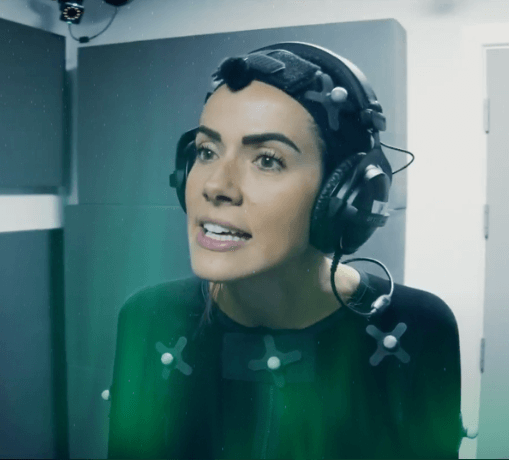
Virtual production motion capture is the integration of advanced optical and inertial tracking systems with real-time visualization technology to blend live-action performances, digital elements, and virtual environments on set. Unlike traditional post-production VFX workflows, virtual production captures an actor’s movement in real time and instantly renders that data into digital characters, environments, or objects—allowing directors, cinematographers, and VFX teams to visualize the final composite during filming. This combines multiple capabilities: full-body performance capture to record realistic human movement; VR scouting for pre-visualization and environment planning; green screen and LED wall integration for seamless compositing; and in-camera VFX for live visual effects. Vicon’s motion capture systems, powered by Shōgun software, enable real-time feedback and rapid creative iteration, fundamentally changing how film, TV, games, and animation are produced.
How is motion capture used in virtual production?
Motion capture serves as the foundational technology in virtual production workflows, enabling multiple integrated functions:
(1) Performance Capture — actors wear reflective markers that are tracked by high-precision optical cameras, with their movement data instantly transmitted to real-time game engines or visualization software;
(2) VR Scouting — directors and cinematographers use VR headsets to explore virtual environments, block scenes, and make creative decisions before shooting;
(3) Real-Time Visualization — Shōgun software reconstructs captured motion and renders digital characters in real-time on LED screens or through director monitors, so crews can see the final composite during filming;
(4) In-Camera VFX Integration — motion tracking data drives camera movement and parallax effects, synchronizing virtual camera movements with physical camera rigs; and
(5) Object and Rigid Body Tracking — motion capture systems track props, equipment, and set pieces with the same precision as performers. This integrated approach enables filmmakers to solve VFX challenges on set rather than in post-production, accelerating timelines and improving creative decision-making.
Can motion capture be used for in-camera VFX?
Yes. In-camera VFX is one of the core capabilities of modern virtual production. Motion capture systems track performer movements and camera positions simultaneously, allowing real-time rendering of digital characters, environments, or effects directly onto LED screens or into the camera feed during filming. This means actors can interact with digital characters or environments live on set, rather than performing against a green screen and compositing later. Directors see the final composite in real time through their monitors, enabling instant creative feedback and adjustments. The Mandalorian and House of the Dragon exemplify this approach, where Vicon’s motion tracking combined with LED stagecraft technology allowed complex visual effects to be rendered in-camera, reducing post-production overhead and increasing production flexibility. In-camera VFX also provides lighting and environmental continuity advantages, as actors are lit by the actual LED displays surrounding them, producing more photorealistic results than traditional green-screen compositing.
What are the benefits of real-time motion capture in production?
Real-time motion capture delivers transformative efficiency and creative benefits to production workflows:
(1) Immediate Feedback — Directors and VFX supervisors see the final composite during filming, enabling instant creative decisions rather than waiting for post-production to discover issues;
(2) Accelerated Timelines — By solving VFX challenges on set, virtual production reduces post-production workload, compressing overall project schedules;
(3) Cost Efficiency — Fewer costly reshoots and extensive post-production corrections reduce overall budgets;
(4) Enhanced Performance Direction — Actors and directors can refine performances by seeing the digital character or environment in real time, improving emotional authenticity;
(5) Creative Freedom — Directors can rapidly test creative ideas—camera angles, digital set changes, character interactions—without traditional VFX bottlenecks;
(6) Data Reusability — Captured motion data can be leveraged across multiple projects, characters, or storytelling scenarios, maximizing return on investment; and
(7) Production Agility — Real-time systems like Vicon’s Shōgun software enable on-the-fly adjustments, supporting adaptive creative processes and reducing time spent on setup and verification.
Which industries use virtual production workflows?
Virtual production workflows span multiple entertainment and creative industries:
(1) Film & Episodic Television — Studios including Industrial Light & Magic (The Mandalorian), Netflix (House of the Dragon, House of Usher), and major VFX companies like DNEG and Framestore use virtual production for complex visual effects integration and real-time storytelling;
(2) Video Game Development — Studios from AAA publishers (PUBG, Epic Games) to indie developers use motion capture and virtual production for realistic character animation, asset creation, and rapid prototyping;
(3) Animation — Traditional and digital animation studios leverage motion capture to accelerate animation pipelines and add naturalistic movement to characters;
(4) VTubing & Live Performance — Content creators use real-time motion capture and markerless tracking for live-streamed virtual performances and interactive entertainment;
(5) Advertising & Commercial Production — Brands use virtual production for product placement, dynamic environments, and real-time character-driven content (e.g., Silver Spoon’s Super Bowl campaign featuring Mr Peanut);
(6) Music & Live Events — Performers and musicians use motion capture for real-time visual effects during live shows and broadcasts; and
(7) Location-Based VR & Theme Parks — Virtual production systems power immersive experiences and interactive installations. The shared thread across all industries is the ability to capture realistic movement, visualize complex visual effects in real time, and iterate creatively with unprecedented speed.
VIRTUAL PRODUCTION PARTNERS




GET IN TOUCH
Vicon is here to support you on your motion capture journey. We’re happy to provide more information, answer questions and help you find the solution you need. Get in touch with our experts today.